Living History Forward is not a museum, site, or program. It is a professional cultural-management framework designed to unite institutions, educators, historians, tourism leaders, and community partners into a coordinated regional network.
This project exists because some of the most important stories in our nation’s history live in remarkable places, archives, and communities, yet they are too often experienced separately.
What Living History Means
Living History recognizes that Montgomery’s civil-rights legacy is not static, it is active, experiential, and connected to present-day communities.
What Forward Means
Forward represents progress, systems-building, and measurable impact. It transforms heritage into economic, educational and civic opportunity.
“Living History Forward” signals:
history + progress
culture + strategy
legacy + economic development
Living History moves heritage from remembrance to relevance.
Mission
To design, manage, and sustain collaborative systems that strengthen how historic legacy is preserved, interpreted, taught, and experienced, ensuring that culture remains accessible, relevant, and responsive to future generations.
Vision
To create a premiere integrated cultural infrastructure where connected history, inclusive interpretation and collaborative partnerships advance education, tourism, legacy and community.
Core Values
Collaborative Leadership
We build shared systems that strengthen institutions and communities together.
Public Access & Cultural Inclusion
We believe cultural knowledge is a shared resource that should be open, engaging, and representative.
Innovation in Cultural Practice
We use technology and creative approaches to make history accessible and relevant.
Stewardship of Legacy
We protect and interpret historic narratives with care, accuracy, and respect.
Why Living History Forward Is Necessary
Montgomery, Alabama holds one of the most influential cultural legacies in the United States. From the leadership demonstrated during the Montgomery Bus Boycott to the courage of individuals like Rosa Parks, the events that unfolded here reshaped national conversations about justice, civic responsibility, and community leadership.
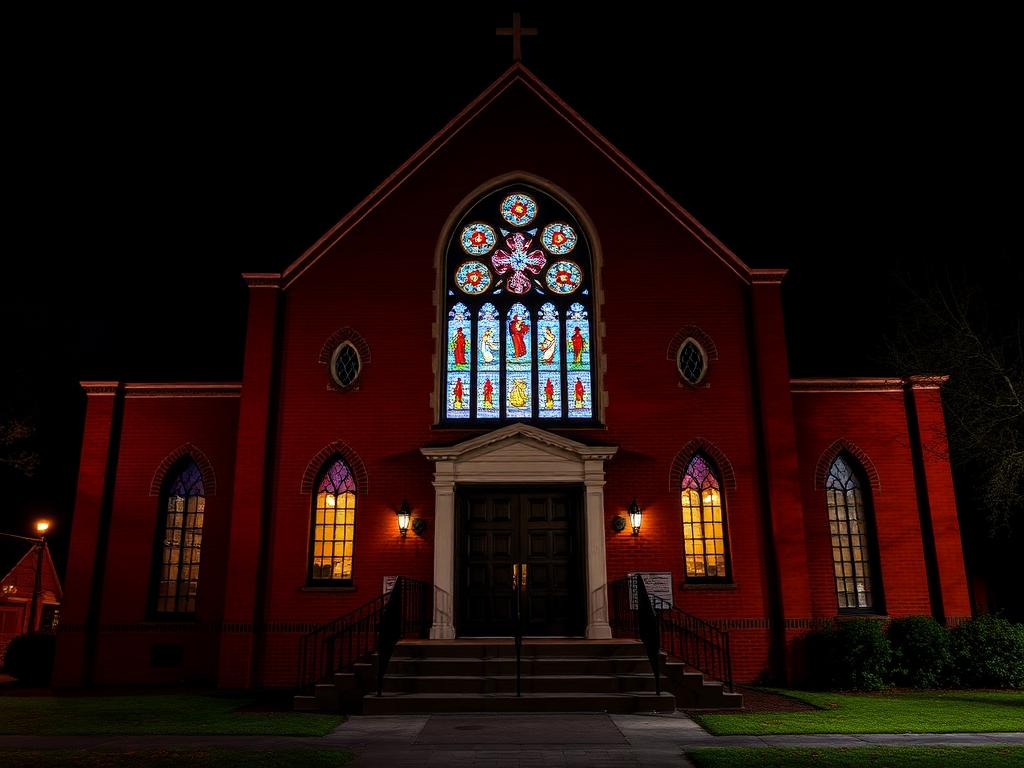
These stories are preserved in churches, archives, museums, neighborhoods, and historic landmarks across the city and surrounding counties, but too often they are experienced in isolation rather than through a coordinated system that reflects their full meaning and continuing impact.
The Challenge
Fragmented Legacy
Creating Living History Forward is necessary because Montgomery’s civil-rights legacy, while globally significant, remains structurally fragmented across museums, churches, archives, neighborhoods, and educational institutions that often operate without a shared framework.
This Fragmentation Limits:
Tourism growth
Educational depth
Community participation
Funding opportunities
Long-term preservation
Without Collaboration and Innovation:
Stories become fragmented
Educational pathways weaken
Access narrows
Cultural understanding declines
Living History Forward ensures history remains alive in education, culture, tourism, and civic life.
Heritage Requires Stewardship
Historic legacy is not self-sustaining. It requires stewardship, relevance, and a systematic approach that allows it to be experienced meaningfully by current and future generations.
Building the Heritage Networks of Tomorrow
We envision a future where every region has a coordinated cultural ecosystem where museums, schools, tourism boards, and community organizations work as one interconnected network.
Through strategic collaboration, digital innovation, and community engagement, Living History Forward is creating the infrastructure that makes this vision a reality.
Our Vision for the Future
A world where heritage is not merely preserved but actively drives education, economic vitality, and cultural understanding across communities and generations.